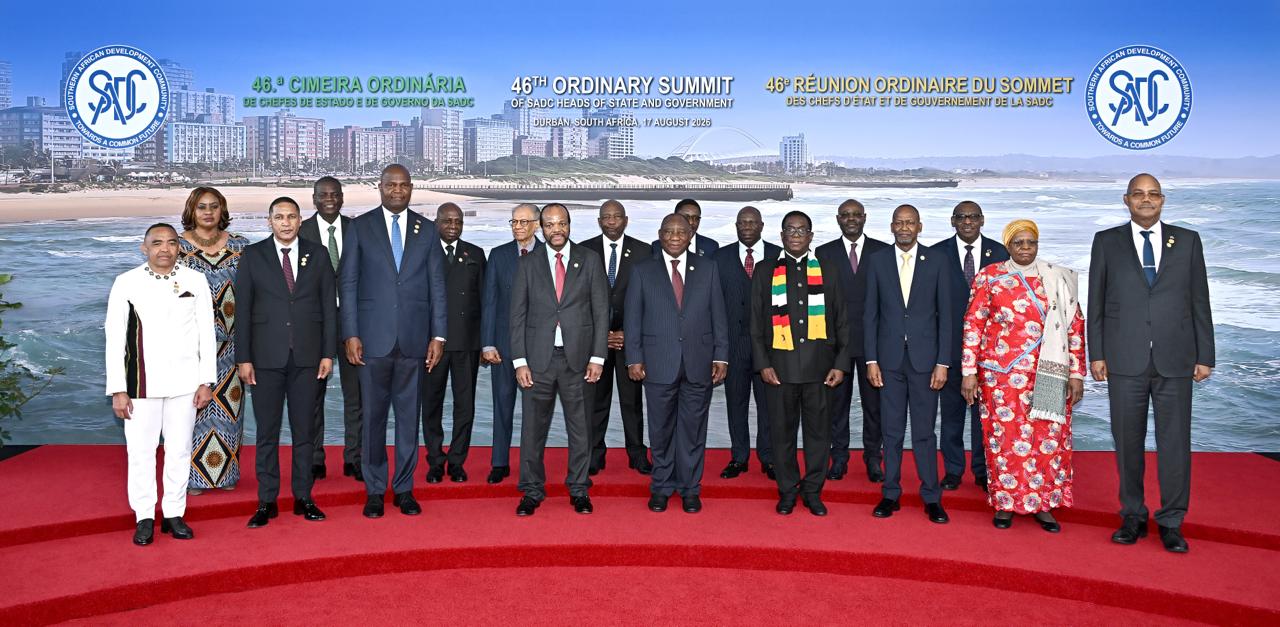
DURBAN — As the dust settles on the 46th SADC Summit hosted in Durban, South Africa has officially taken the steering wheel of the 16-nation Southern African Development Community (SADC). President Cyril Ramaphosa and Foreign Minister Ronald Lamola accepted the chairmanship from Zimbabwe, promising to move regional meetings away from diplomatic talk shops and toward decisions that directly change daily lives.
For the average South African, regional summits can often feel distant, full of red carpets and formal speeches. But the agreements struck at this summit directly target pressing local challenges: job creation, border management, electricity, and safety.
Here is how the decisions made by regional leaders in Durban are designed to work for South Africans today.
1. Border Control & Migration: A Regional Approach
One of South Africa’s key agenda items was bringing regional migration governance to the center of SADC discussions.
- The Problem: South Africa’s public infrastructure, healthcare, and employment sectors face severe strain from irregular migration, while communities demand secure borders.
- The Solution: South Africa secured a commitment for a dedicated SADC dialogue on migration. Instead of South Africa tackling border issues alone, the bloc is working on a lawful, coordinated regional response that addresses the root “push factors” (poverty and conflict in neighboring countries) while strengthening border security and legal trade corridors.
2. Jobs & Youth: Turning Raw Minerals into Local Factories
Africa has the youngest population on Earth, with nearly 60% of people under 25. South Africa’s chairmanship theme focuses on stopping the export of raw, unrefined resources to foreign nations.
- The Problem: The SADC region holds nearly 30% of the world’s critical minerals (like lithium, manganese, and platinum, essential for electric cars and tech), yet young South Africans face record-high unemployment while foreign factories profit off raw exports.
- The Solution: SADC leaders agreed to prioritize critical mineral beneficiation and local manufacturing. By processing resources inside Southern Africa, the region aims to unlock an estimated $53 billion in untapped trade potential, creating local factory jobs, apprenticeships, and supply chain opportunities for young South Africans.
3. Power, Roads & Ports: Fixing the Infrastructure Grid
Economic growth stalls without reliable electricity or functional logistics networks.
- The Action Plan: SADC agreed to treat regional energy grids, water systems, digital networks, and transport corridors as shared priorities. Upgrading trade routes and One-Stop Border Posts will allow South African products to move faster across borders, boosting local businesses and reducing supply-chain costs that drive up grocery prices.
4. Peace & Regional Security: Keeping Threat Away from Home
Economic stability is impossible without regional safety.
- The Action Plan: The SADC Organ Troika addressed ongoing security crises, focusing on eliminating insurgent cells in Cabo Delgado (Mozambique) and bringing political stability to Eastern DRC. Securing Southern Africa prevents conflict from spilling across borders, protects regional trade routes, and maintains overall stability in the neighborhood.
What Comes Next?
South Africa will lead the region for the 2026–2027 term. As President Ramaphosa stated during the summit, the mandate is clear: “It cannot be business as usual.”
By focusing on infrastructure, border cooperation, and local mineral processing, the government’s push at SADC is designed to build a Southern Africa where goods move freely, borders are managed legally, and local youth find employment at home.