Electricity remains one of the biggest expenses for many South African households, with families continuing to look for ways to manage rising costs and reduce their monthly spending.
As the cost of living increases, many consumers are becoming more aware of how much electricity they use and are searching for practical ways to lower their bills without making major changes to their daily routines.
For households using prepaid electricity, monitoring daily usage has become an important way to understand where power is being consumed. Unlike traditional monthly bills, prepaid systems allow users to see how quickly units are being used and adjust their habits accordingly.
Some of the biggest electricity users in South African homes include geysers, heaters, ovens, washing machines and other high-energy appliances. Small changes, such as switching off appliances when they are not being used and managing the use of high-consumption devices, can help households save electricity over time.
The geyser is often one of the largest contributors to household electricity usage. Many homeowners reduce consumption by using timers, limiting unnecessary heating and ensuring that their geyser is operating efficiently.
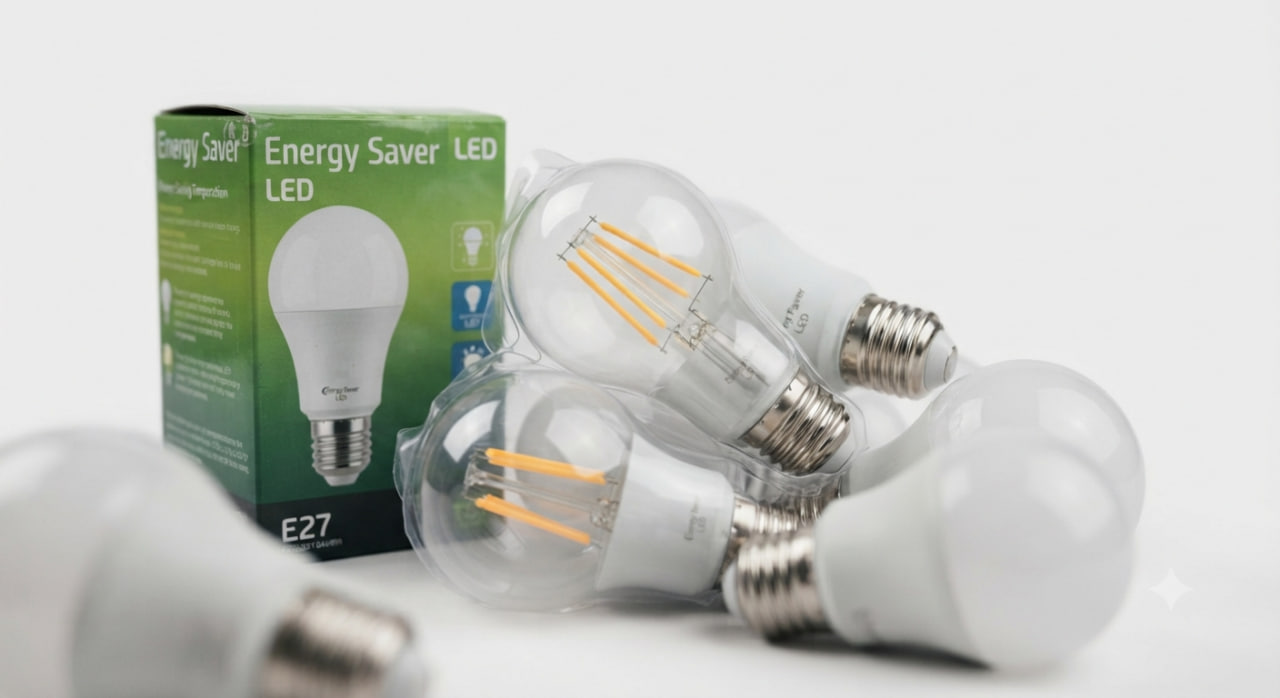
Energy-efficient lighting is another simple way to reduce electricity use. Replacing older bulbs with LED alternatives can help households use less power while still maintaining good lighting in their homes.
More South Africans have also started exploring alternative energy solutions, including solar panels, inverters and battery systems. While these options can require a significant upfront investment, some households see them as a long-term solution to reduce dependence on the national electricity grid.
However, consumers are advised to carefully research renewable energy options before making large purchases. Factors such as installation costs, maintenance requirements and household electricity needs should be considered before investing in solar solutions.
Electricity-saving habits can also make a difference. Simple actions such as unplugging unused chargers, washing clothes during off-peak periods where possible and avoiding unnecessary appliance use can contribute to lower consumption.
For many South Africans, reducing electricity costs is not only about saving money but also about gaining better control over household expenses. With careful planning and awareness of energy usage, families can take practical steps towards managing their monthly budgets.
As electricity continues to be a major household expense, finding ways to use power more efficiently remains a priority for consumers across the country.