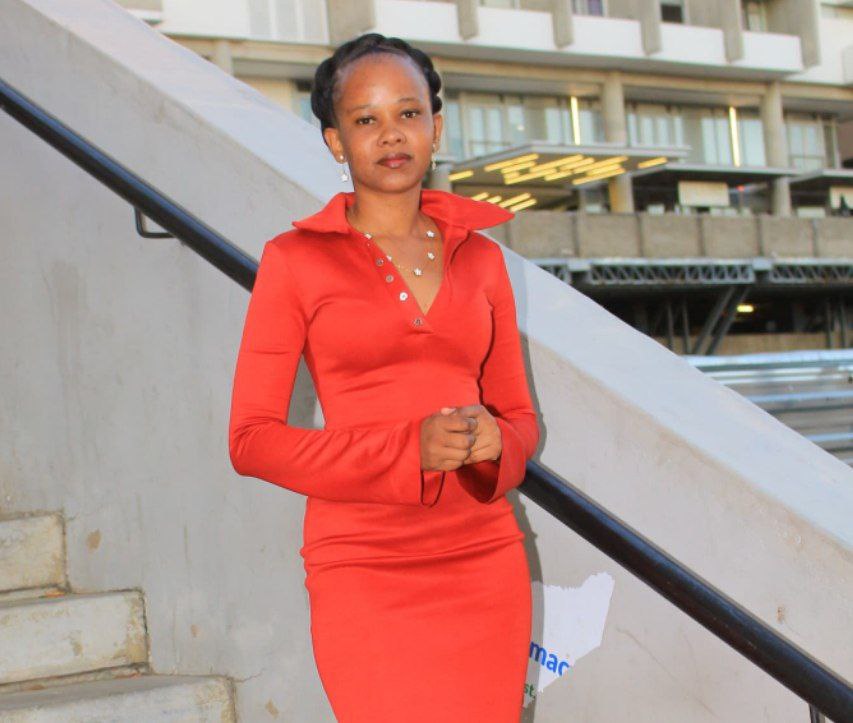
For eight years, Namibian educator Uzapi Kakero lived with the challenges of endometriosis, a chronic condition that significantly affected her health, education, and daily life. Today, she stands as a qualified Early Childhood Development (ECD) teacher and a symbol of resilience for individuals living with invisible illnesses.
Diagnosed nearly a decade ago, Kakero’s journey was marked by persistent pain, repeated hospital visits, and what she describes as periods of feeling unheard within the healthcare system. After years of limited progress and ongoing medical challenges, she experienced a turning point in 2024 when she was finally connected with a medical team that provided a more structured and sustainable treatment approach. This shift allowed her to move beyond what she described as “survival mode” and begin rebuilding her future.
Despite her health struggles, Kakero made the decision to continue her studies and pursue a career in education. She focused on early childhood development, dedicating herself to supporting foundational learning stages where she felt she could make the most meaningful impact. Her determination ultimately led to her graduation with a certificate in Early Childhood Development, marking a significant personal and professional milestone.
She is now a practicing teacher, where she works with young learners while also using her experience to inspire others facing similar health challenges. Kakero’s journey has brought attention to broader concerns around endometriosis in Southern Africa, particularly issues related to delayed diagnosis, limited awareness, and access to specialised care.
Her experience reflects a wider reality faced by many women living with chronic conditions, where medical uncertainty and lack of specialised support can significantly impact education and employment opportunities. Kakero has spoken about the importance of maintaining hope, saying that even in prolonged periods of pain, it remains possible to find purpose and direction with the right support systems in place.
Her progress was made possible through a combination of improved medical care and personal determination, including finding a healthcare provider in 2024 who developed a more effective treatment plan and her continued commitment to completing her studies despite ongoing health challenges.
Today, Kakero is recognised not only as a teacher but also as a role model for young Namibians, demonstrating that long-term health conditions do not necessarily define or limit professional achievement. Her story continues to highlight the importance of accessible healthcare, early diagnosis, and supportive environments for individuals living with chronic illness.