A Landmark Gathering for Interfaith Harmony and Peace Networking
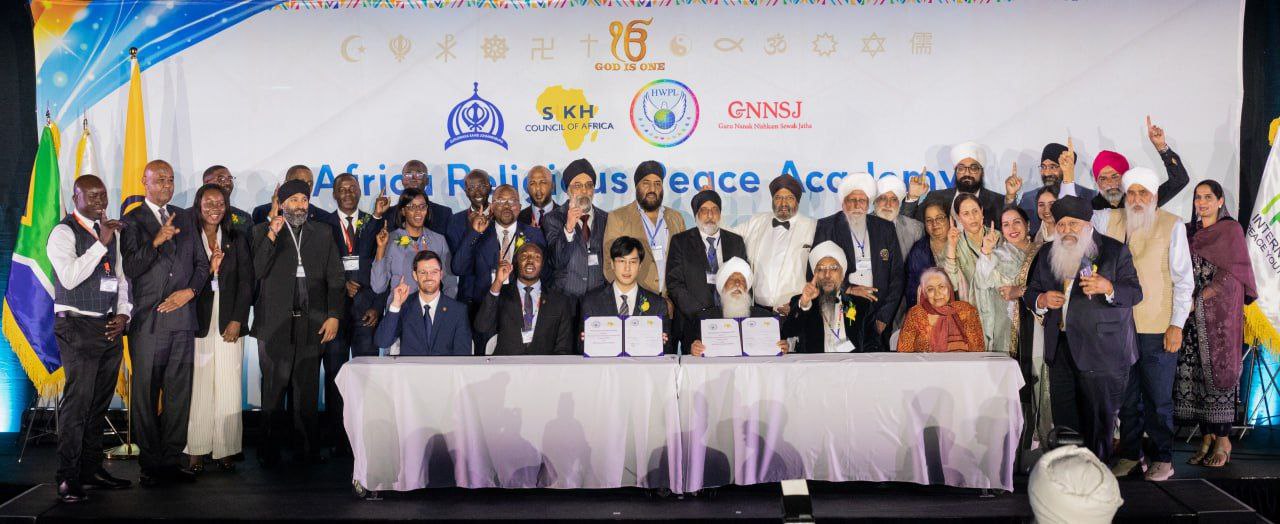
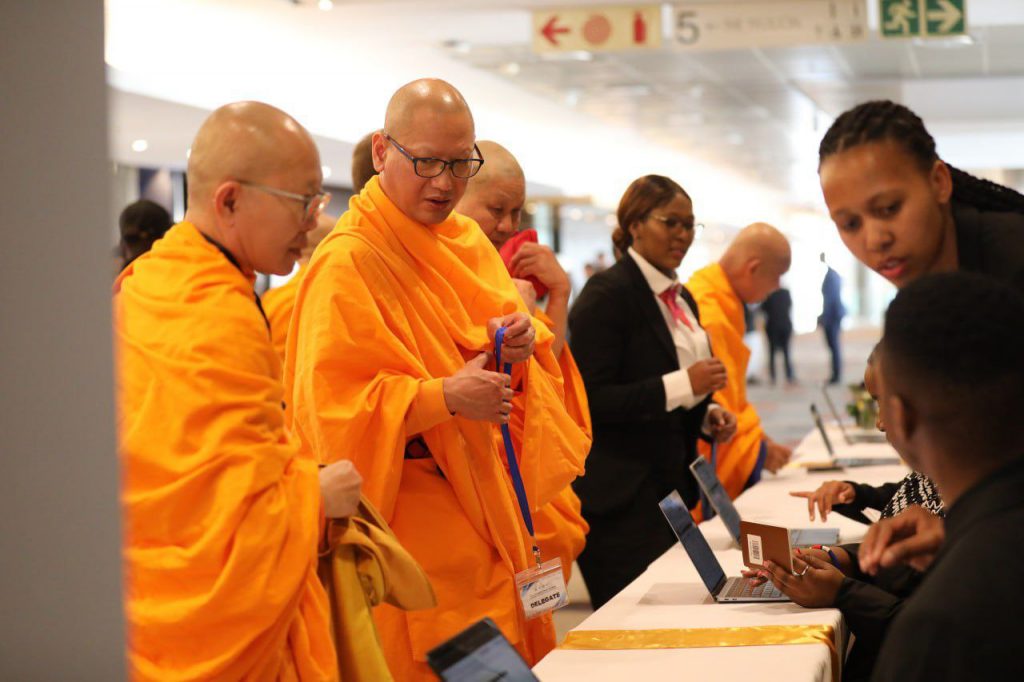
The Pavilion at Sandton Convention Centre was filled with vibrant energy as nearly 300 faith leaders, peacebuilders, and community representatives gathered for the inaugural Africa Religious Peace Academy, under the theme “Bridging Beliefs: Advancing Peace Through Interfaith Harmony in Africa.”
The gathering was hailed as a historic milestone, transforming Africa’s spiritual and religious diversity into a powerful network for peace and reconciliation.
Jointly hosted by Heavenly Culture, World Peace, Restoration of Light (HWPL) and the Sikh Council of Africa, the academy provided a unique platform for interfaith networking, where religious leaders transcended denominational boundaries to share visions for addressing Africa’s common challenges through peace and cooperation.
Opening the event, Deputy Minister of Cooperative Governance and Traditional Affairs, Dr. Namane Dickson Masemola, underscored the role of faith leaders in advancing a harmonious society: “This gathering, affirms our unwavering commitment to fostering social cohesion, interfaith dialogue and cohesive governance and it is indeed a compass setting moment not only for us in South Africa, but for the continent and the world at large by those who have dedicated to advance this important process of creating peace in the world.”
Congratulatory remarks by Shri Prabhat Kumar, High Commissioner of India to South Africa, reinforced the message that interfaith cooperation is essential in addressing Africa’s shared challenges.
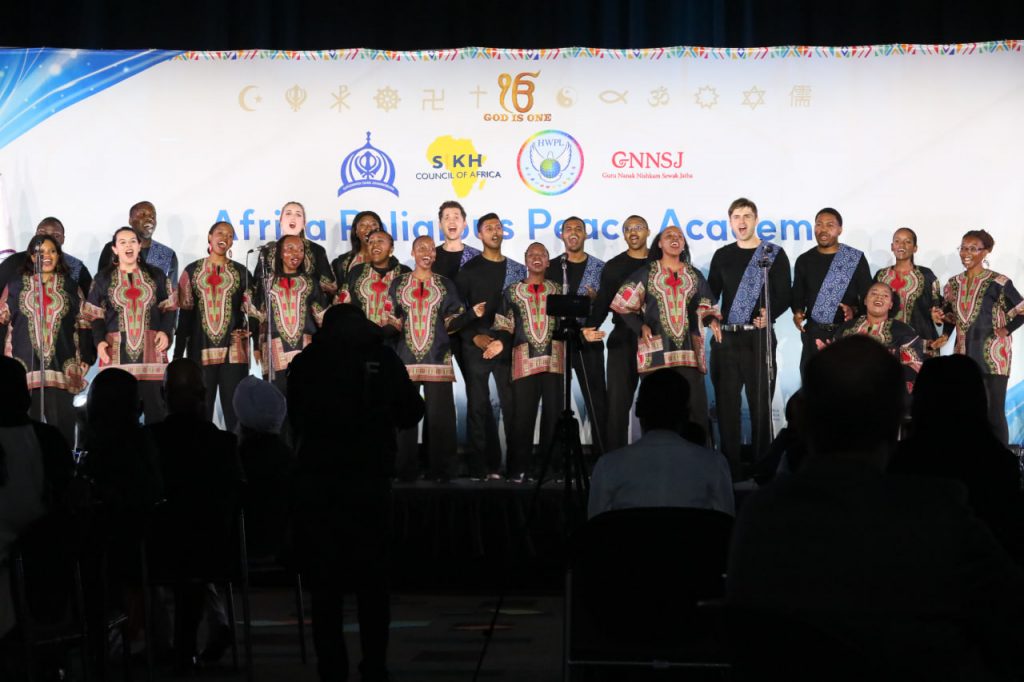
Spiritual reflections from diverse traditions enriched the program. Imboni Dr. Uzwi-Lezwe Radebe‘s representative, Sam Lang, highlighted African Indigenous Spirituality’s call to restore harmony with ancestors and the earth, while Moulana Ebrahim Bham spoke on justice as a divine mandate in Islam. Reverend Gift Moerane invoked the Christian message of reconciliation, and Mr Harbinder Singh Sethi of the Sikh Council of Africa emphasised “Sarbat da Bhala”, seeking the welfare of all.
A key highlight was the presentation of the “Charter for Forgiveness” by Prof. Bhai Sahib Mohinder Singh Ahluwalia, which offered a framework for reconciliation and healing in divided communities. This moment resonated strongly in South Africa, where “unity in diversity” remains both a constitutional value and a daily pursuit.
HWPL Regional Director, Mr Beom Jun Park, urged leaders to see peace not only as today’s mission but as tomorrow’s legacy: “A peaceful and secure Africa is not only the vision of Agenda 2063, it is a vision we all share. Perhaps you and I may not live long enough to see its full realisation, but we must walk the path and lay the foundation for those who will come after us.” HWPL envisions a world where religious leaders rise above differences to become one voice for peace, recognising that harmony among faiths is the cornerstone of lasting unity. Guided by the values of reconciliation, dialogue, and shared responsibility, HWPL hopes to see faith leaders stand together as partners in shaping a peaceful legacy for future generations.
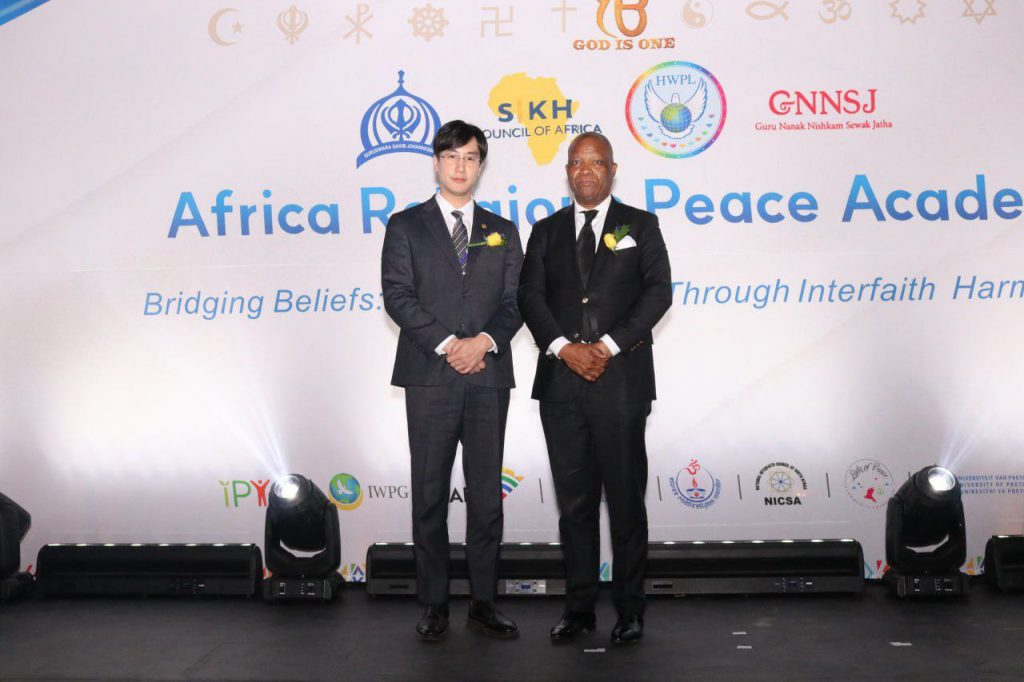
The academy concluded with the signing of three Memorandums of Understanding (MOUs), formalising collaborative commitments between HWPL and the CRL Rights Commission, the Eswatini Women Muslim Organisation, and the Sikh Council of Africa. These agreements mark a significant step forward in strengthening interfaith partnerships and advancing peace across Africa.
This landmark event proved that Africa’s spiritual richness, when united, can become a force for peace, justice, and sustainable development. Delegates departed with a renewed sense of collective responsibility to transform Africa’s diversity into a legacy of unity through interfaith networking and collaboration.