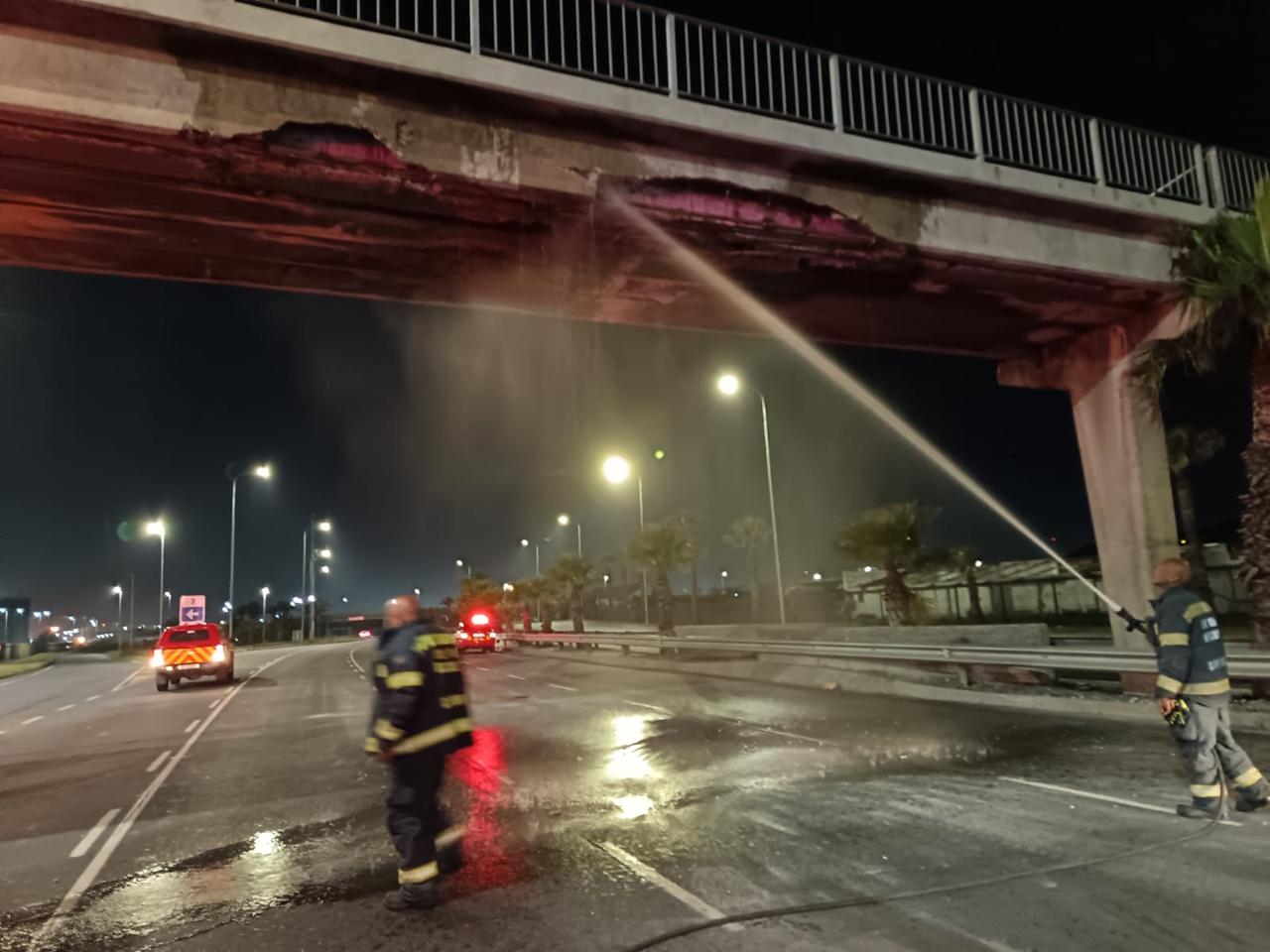
The damage to a pedestrian bridge over the N1 has raised questions about truck route safety in Cape Town. The incident also highlights the need to protect road infrastructure and prevent traffic disruptions.
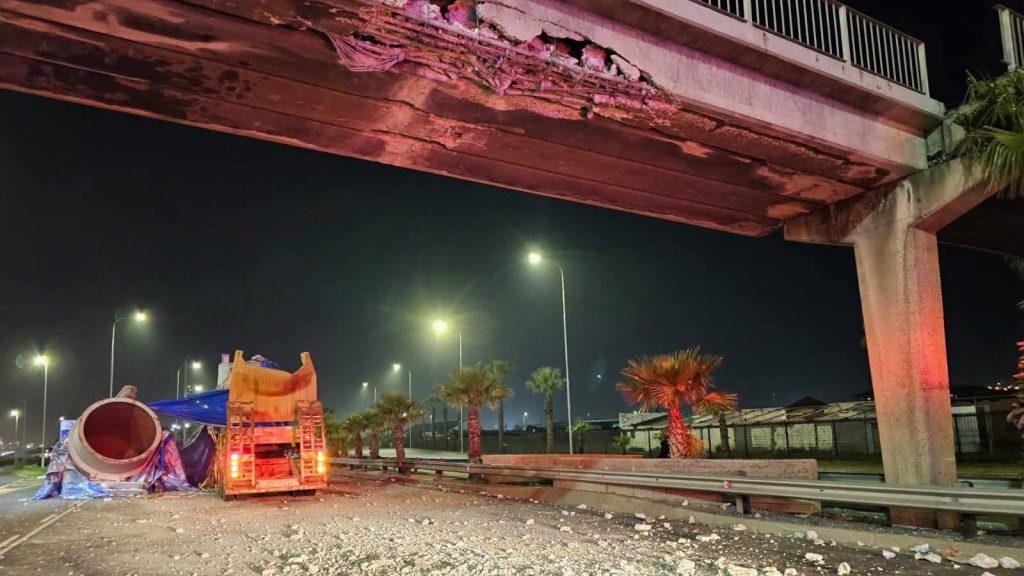
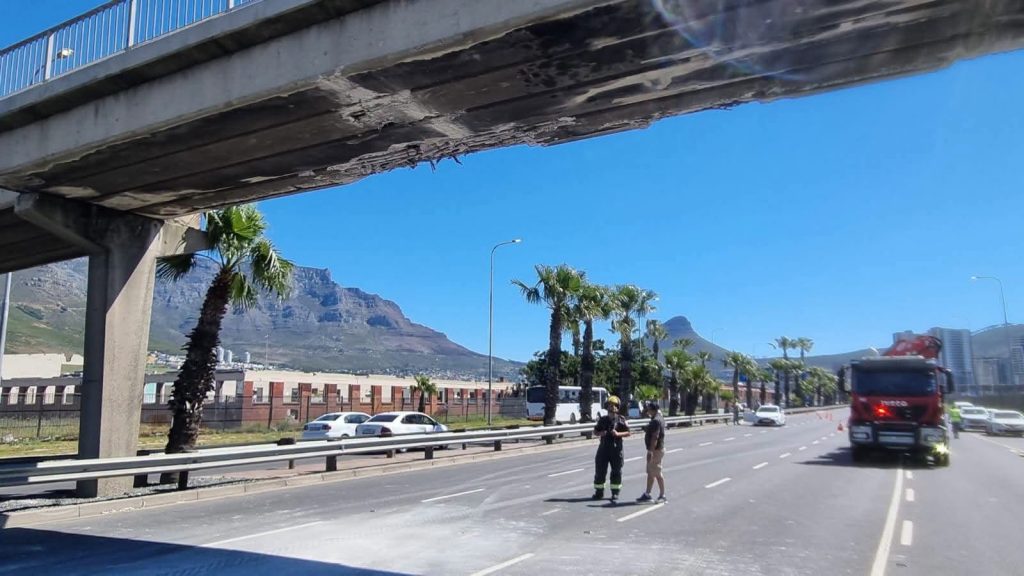
A truck struck the FW de Klerk Boulevard pedestrian bridge on Saturday night, 10 October. The damage disrupted traffic on a key route into and out of the Cape Town CBD.
The City of Cape Town’s MMC for Urban Mobility, Cllr Rob Quintas, ssaid two cranes lifted and realigned a section of the bridge weighing about 100 tonnes. Crews also removed debris and made the structure safe.
The N1 reopened in both directions early on Monday, 12 October. The City said it would assess the remaining repairs during the week.
Concerns have been raised that the truck may have taken a route it should not have used, prompting questions about how Cape Town can help heavy vehicles follow approved routes and avoid damaging bridges.
The exact cause of the October collision still needs confirmation from the relevant authorities.
Approved truck routes matter for road safety
Heavy vehicles carrying oversized loads cannot use every road. Their height, width, length and weight may limit which routes they can safely follow.
Transport companies must consider these limits before a journey begins. Some abnormal loads also require special permits and approval for a specific route.
Standard navigation apps may not account for every restriction. Drivers therefore need reliable route information before setting off.
The City could review how it shares information about truck routes and bridge heights. Clear warning signs placed well before a restricted bridge would give drivers more time to change course.
Route checks can prevent costly mistakes
Specialist transport companies already use route surveys to identify hazards before moving oversized loads.
In a 2023 report by Engineering News, Ryan Govender of heavy-transport company Lovemore Bros explained how the company plans these journeys.
The company surveys the proposed route and sends its findings to an in-house engineer. The engineer checks the route against relevant road requirements. The company then obtains the necessary permits and clearances.
This process helps operators identify hazards before a truck reaches a low bridge or restricted road.
Other transport companies could strengthen their own checks by confirming vehicle dimensions and reviewing permit conditions before departure. They should also ensure that drivers understand the approved route.
Clear road signs give drivers time to react
The Road Freight Association (RFA) has previously highlighted the importance of route checks and warning signs.
In a February 2026 report by Freight News, RFA chief executive Gavin Kelly discussed repeated truck collisions with a low railway bridge in Kempton Park.
Kelly called for warning signs that alert drivers well before they reach a restricted structure. He also highlighted the role of transport companies in checking routes and the potential value of navigation alerts inside truck cabins.
These comments concern a different bridge. They do not establish the cause of the Cape Town collision. However, they identify practical ways to help drivers avoid unsuitable routes.
Cape Town could review whether its signs provide enough warning for heavy vehicles. The City could also share reliable route information with freight companies and navigation providers.
Safer truck routes mean fewer disruptions
The N1 reopening restored an important route into and out of the CBD. However, the incident shows how damage to one structure can disrupt thousands of journeys.
Truck drivers must follow road restrictions and approved routes. Transport companies must plan journeys around vehicle and load dimensions. The City can support them with clear signs and reliable route information.
The first step is to establish what caused the collision. The findings can then guide practical measures to protect bridges, support truck drivers and reduce avoidable traffic disruptions across Cape Town.