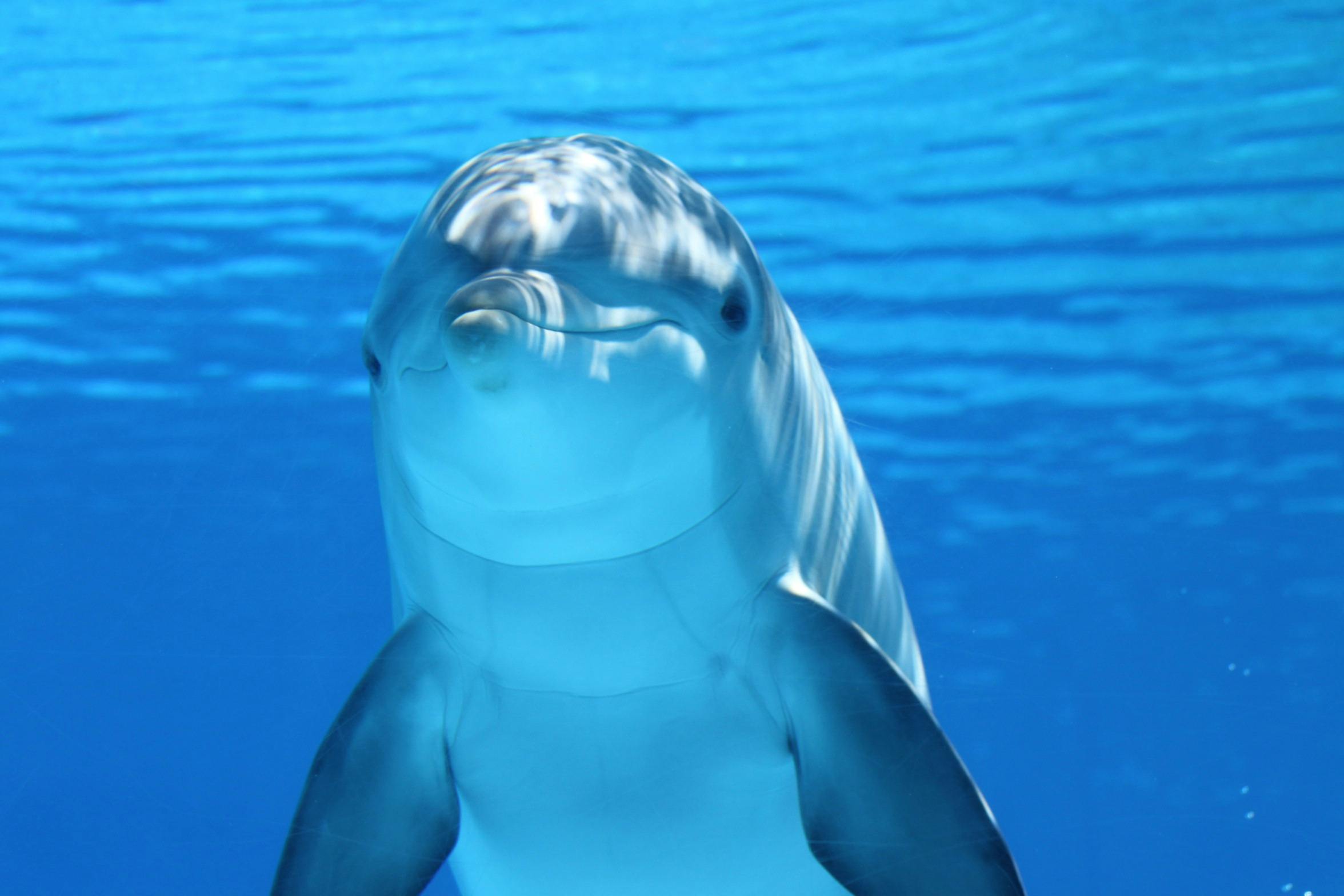
Noise pollution in the world’s oceans is increasingly being recognised as a serious issue affecting marine life. Sound travels 4.5 times faster underwater than in the air, turning busy shipping lanes into what has been described as a “great tragedy” for marine ecosystems.
A wave of innovation is now emerging from multiple global projects aimed at reducing underwater noise. These efforts are focused on addressing the impact of human activity on marine environments and improving conditions for marine life.
From February 2025, the High Seas Treaty officially entered into force, providing the first legal framework to regulate “acoustic footprints” in international waters. While this legal development establishes regulatory oversight, technological initiatives are working alongside it to address the issue in practice.
One such initiative is LOWNOISER, supported by the European Union. The project is currently validating technology on five full-scale vessels, including the eco-cruiser MS Roald Amundsen. Its Air Lubrication System allows ships to glide on a “carpet” of micro-bubbles, reducing noise while also lowering fuel consumption and CO2 emissions.
Other projects are also contributing to this effort. SATURN is mapping which frequencies are most harmful to marine life, while PURE WIND is working to reduce the hum of offshore turbines. Through the GloNoise Partnership, countries including India are adopting specialised toolkits aimed at reducing noise in ports.
Together, these initiatives reflect growing action across law, science, and engineering, with a shared focus on reducing the impact of underwater noise. The combined efforts show increasing recognition of the need to move from awareness to practical solutions in protecting marine environments.