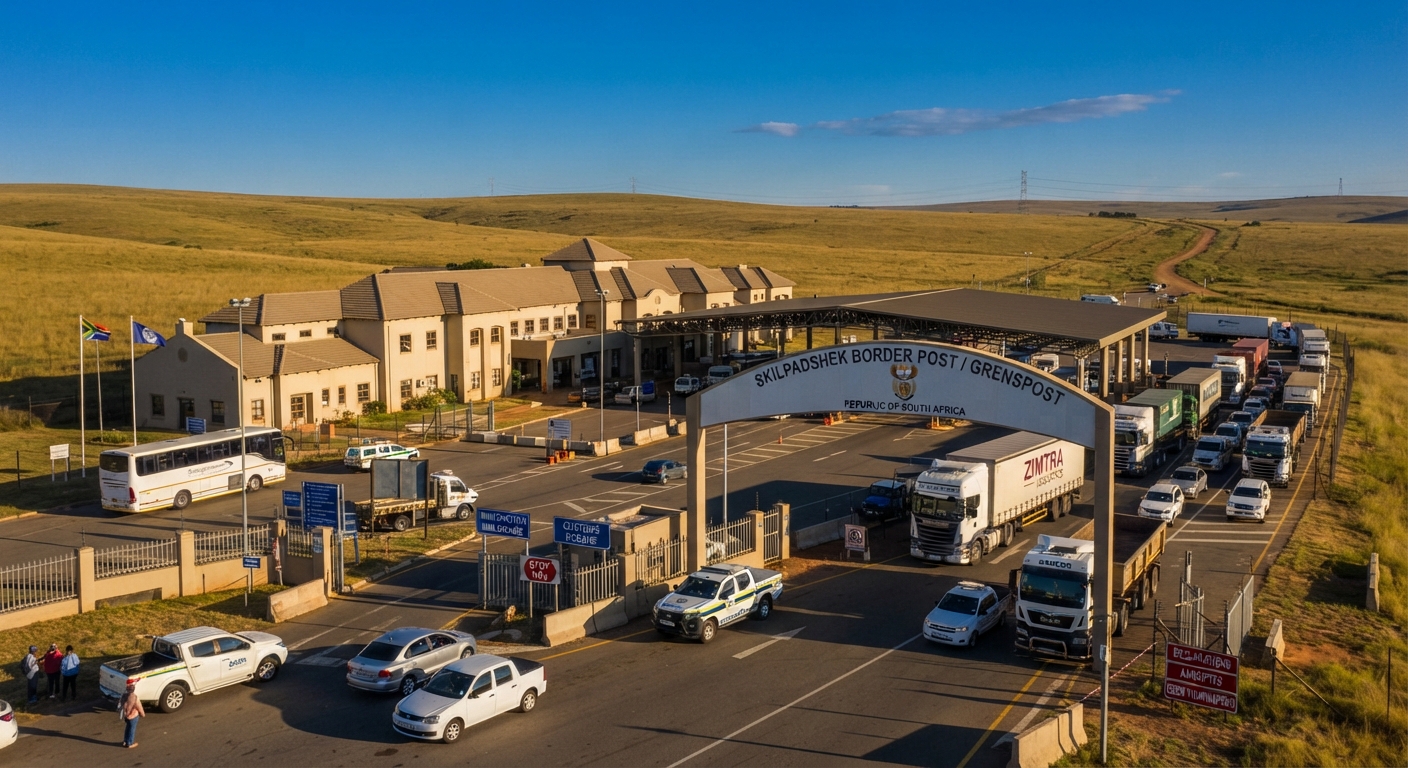
South Africa has stepped up efforts to manage irregular migration while government continues to call for peaceful protests, stronger border controls and cooperation with neighbouring countries.
The latest development came during the Southern African Development Community (SADC) Summit in Durban, where almost 300 anti-migrant protesters marched towards the venue calling on neighbouring countries to take back undocumented nationals. The demonstration was heavily policed and remained relatively small.
Migration was also placed on the SADC agenda, creating an opportunity for regional leaders to address irregular migration through greater cooperation rather than leaving individual countries to deal with the issue alone.
South Africa has already intensified its immigration enforcement programme. Government reported that 68,327 undocumented foreign nationals had been repatriated between 14 June and 24 July through coordinated law-enforcement operations. Most were nationals of Malawi, Zimbabwe and Mozambique.
The government also said dedicated immigration courts had finalised 28,736 immigration-related cases between April and June, mainly involving deportations.
At the same time, authorities have stressed that immigration enforcement must take place within the law. Government has repeatedly warned that violence, intimidation and preventing foreign nationals from accessing public services are illegal.
The approach forms part of a five-point migration plan announced by President Cyril Ramaphosa in June, which includes strengthening border security, improving the immigration system, enforcing existing laws and working with other African countries.
For South Africa, the latest developments point towards a broader effort to address irregular migration through law enforcement and regional cooperation rather than community-led action.
With migration now receiving attention at regional level, the coming months could provide an opportunity for South Africa and its neighbours to work together on a long-standing challenge while protecting both national interests and human dignity.